Understand the Situation. Know What Comes Next.
Explore clear, detailed information about personal debt, court and creditor problems, personal guarantees, company financial difficulty and UK debt options. Built to help you understand the landscape before deciding what support may be required.
Better information creates clearer options. Start with the subject that matters to you.
Start With Your Situation.
You don't need to know the technical name for the problem before you start.
Choose the area that most closely reflects what is happening. From there, explore detailed guides, answers to common questions and information about the different stages a financial problem can reach.
Personal Debt
Understand common personal debt problems, the different options that may exist and what can happen when payments become difficult to maintain.
Court & Creditor Problems
Learn what creditor contact, court claims, County Court Judgments and enforcement can mean, and understand how matters may progress.
Business Debt & Directors
Explore information about company financial difficulty, creditor pressure, formal insolvency processes and the issues directors may need to understand.
Personal Guarantees
Understand how personal guarantees can affect directors, what may happen when a guarantee is called upon and why the wording and circumstances matter.
Explore the wider UK debt help landscape.
Our Debt Help & Options hub explains the different areas of debt support and the professional pathways that may become relevant depending on the situation.
Go Deeper With Our Free UK Guides.
Some subjects need more than a short answer.
Our in-depth guides bring together the key concepts, processes and questions surrounding some of the most important debt, court and director issues in one structured resource.
The Complete Guide to CCJs
Understand what a County Court Judgment is, how CCJs happen, paying within 30 days, setting aside a judgment, enforcement, bailiffs, charging orders and the wider implications of a CCJ.
The Complete Guide to Personal Guarantees
Explore how personal guarantees work, when they may be called upon, lender demands, director exposure, company insolvency and why the wording and circumstances surrounding a guarantee matter.
The Complete Guide to Business Debt & Insolvency
A director-focused guide to company financial difficulty, creditor pressure, CVAs, CVLs, administration, liquidation, director exposure and the different routes that may become relevant.
More specialist guides will be added to the Knowledge Centre.
Alongside our long-form guides, you can explore individual articles answering specific questions about debt, creditors, court action, directors and insolvency.
Find the Information That Matters to You.
Debt problems rarely exist in isolation.
A missed payment can become creditor contact. Creditor action can become a court claim. Company financial difficulty can create questions about insolvency, directors and personal guarantees. Explore the subjects below to understand how the different pieces fit together.
Personal Debt
Understand the wider debt landscape, the main formal and informal routes and what each process is designed to address.
Court & Creditor
Follow the journey from creditor pressure and correspondence through court proceedings, judgments and potential enforcement.
Business Debt & Insolvency
Explore company financial difficulty, formal insolvency processes and the issues directors may need to understand as pressure develops.
Personal Guarantees
Understand the relationship between company borrowing, personal exposure, lender demands and what can happen when a business cannot meet its obligations.
Continue into our latest articles and question-led resources.
The Knowledge Centre is continually expanding with focused articles addressing the questions people ask when dealing with debt, creditors, court action and company financial difficulty.
Answers to the Questions People Actually Ask.
Understand one question at a time.
Explore practical, plain-English articles covering debt, creditor action, court processes, personal guarantees and company financial difficulty. New resources are added as the Knowledge Centre continues to grow.
Latest from the Knowledge Centre
LATEST ARTICLES
Does Resigning Cancel a Personal Guarantee?
Business Law, Director Responsibilities, Personal Guarantees
Does Resigning as a Director Cancel a Personal Guarantee?
When a business is under pressure, many owners and agency directors ask a crucial question: if I resign as a director, does that cancel my personal guarantee? For most, the answer has serious consequences for personal finances, homes, and long‑term security. At Stop Your Debt UK, we regularly speak to business leaders facing this dilemma and unsure where their responsibilities start and end.
Resigning as a Director: What Actually Changes?
A resigning director formally steps down from the management and control of a company. This usually means you are removed from Companies House records, you no longer make decisions, and you are no longer responsible for the company’s day‑to‑day operations. However, resignation mainly affects your future director responsibilities, not promises you made in the past.
If you signed documents while acting as a director, those commitments will usually survive your resignation. That includes supplier contracts, leases, and, most importantly, any personal guarantee you gave to a lender, landlord, or finance company to support the business’s borrowing or credit facilities.
What Is a Personal Guarantee – and Why It Matters After You Leave
A personal guarantee is a written promise that you, as an individual, will repay a company debt if the business cannot. It is a powerful tool for lenders because it effectively bypasses the protection of limited liability. Even though the company is a separate legal entity, your personal assets may be at risk if the business defaults and the guarantee is called in.
Crucially, most guarantees are drafted so that they continue regardless of whether you remain a director. The obligation is attached to you, not your job title. This is why many former directors are shocked to receive demands months or even years after they have left the business, believing that stepping down had removed their exposure to that particular business liability.
Do Personal Guarantees End When You Resign?
In most cases, no. Resigning as a director does not automatically cancel a personal guarantee. Your resignation may change your ongoing director responsibilities, but the guarantee is a separate contract between you and the creditor. Unless the guarantee itself clearly states that it ends upon resignation, or the creditor agrees in writing to release you, you remain personally liable for the guaranteed debt.
Some guarantees are limited in time or amount, while others are “all‑monies” guarantees, covering past, present, and even future borrowing. Understanding exactly what you signed is essential. At Stop Your Debt UK, we often review guarantee documents for clients to clarify the scope of their financial obligations before they make big decisions like resigning or closing a business.
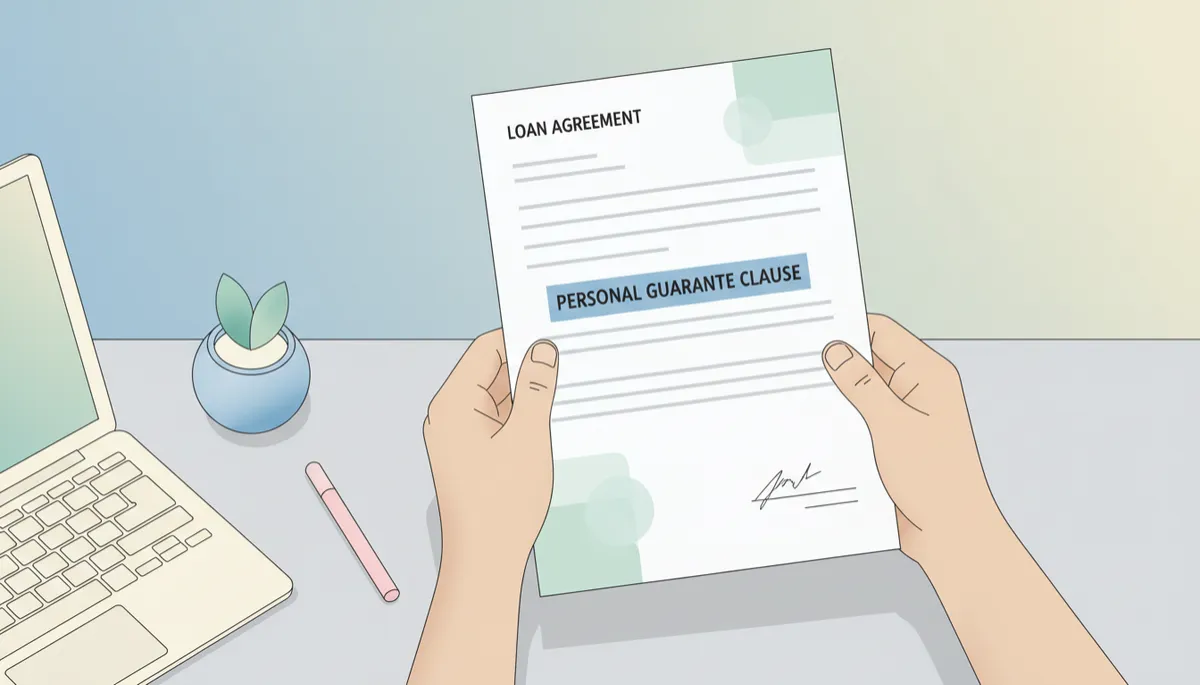
Carefully reading guarantee clauses can prevent painful surprises after resignation.
Director Responsibilities, Business Liability and Personal Risk
While you are in office, your director responsibilities include acting in the company’s best interests, avoiding wrongful trading, and keeping proper records. If the company becomes insolvent and you continue trading recklessly, you could face personal claims or even director disqualification. These issues are separate from a personal guarantee, but they all feed into your overall business liability and risk profile as a director or agency owner.
Resigning may help limit new potential liabilities from future decisions, but it does not rewrite the past. Any guarantees, loans, or credit agreements you supported personally remain part of your financial obligations. If the company later falls into arrears, creditors can still pursue you under those guarantees, even if you have had no involvement in management for some time.
Legal Implications of Personal Guarantees for Resigning Directors
The legal implications of a personal guarantee can be far‑reaching. If the guarantee is called in and you cannot pay, creditors may:
Issue a County Court Judgment (CCJ) against you personally
Secure the debt against your home or other assets
Start bankruptcy proceedings if the sums are significant and unpaid
These steps can deeply affect your family life, credit rating, and ability to run or join other businesses in the future. This is why it is vital not to assume that resignation has wiped the slate clean. Before stepping down, consider negotiating with lenders, refinancing, or seeking independent advice on how best to manage or reduce the guaranteed exposure.
💡 Pro Tip: Never rely on verbal assurances that “you’ll be fine once you leave.” Always obtain written confirmation if a creditor agrees to release or vary a personal guarantee.
Practical Steps if You Are a Resigning Director with a Personal Guarantee
If you are considering stepping down, or have already resigned and are worried about guarantees, there are constructive steps you can take:
Gather all loan, lease, and supplier agreements to identify any personal guarantees you have signed.
Check whether the guarantee is limited or unlimited, and whether it covers future borrowing.
Speak with remaining directors about refinancing or replacing you as guarantor, if possible.
Seek professional advice on negotiation options, potential challenges to the guarantee, and your wider debt position.
How Stop Your Debt UK Can Help You Regain Control
At Stop Your Debt UK, we understand the stress that comes with balancing business failure, personal guarantees, and family responsibilities. Our role is to give you clarity on your business liability, explain the legal implications in plain language, and help you explore all realistic options — from negotiating with creditors to formal debt solutions if needed.
You do not have to face these decisions alone, and you should not feel rushed into resigning or paying without understanding your rights. We focus on compassion, confidentiality, and practical guidance so you can make informed choices that protect both your business interests and your personal financial future.
If you are a current or resigning director worried about a personal guarantee, book a free consultation with Stop Your Debt UK. A short, confidential conversation can give you the time, clarity, and support you need to start regaining control over your debts and plan your next steps with confidence.

Looking for an answer to a specific question?
Continue through the Knowledge Centre as we build a growing library of focused answers to common UK debt, court, creditor and director questions.
Start With the Question You're Trying to Answer.
Sometimes you don't need to understand the whole system. You need one clear answer.
These are the kinds of questions people commonly ask when dealing with creditors, court action, personal debt, personal guarantees and company financial difficulty.
What can debt collectors legally do in the UK?
Understand the difference between ordinary debt collection activity and formal enforcement powers.
What happens if I receive a CCJ?
Understand judgments, payment, registration, enforcement and the importance of the stage the case has reached.
Can a CCJ be set aside?
Explore what setting aside a judgment means and why the circumstances and procedural position matter.
Do I have to let a bailiff into my home?
Understand why enforcement powers, entry rules and the type of debt can affect what happens next.
Does resigning as a director cancel a personal guarantee?
Understand why leaving a company does not necessarily determine what happens to an existing guarantee.
What happens to a personal guarantee if the company becomes insolvent?
Explore the distinction between a company's liabilities and a director's potential personal exposure.
What happens when a company cannot pay its debts?
Understand the wider landscape of company financial difficulty and the formal processes that may become relevant.
What happens if a creditor petitions to wind up a company?
Understand the relationship between creditor action, winding-up proceedings and compulsory liquidation.
More questions. More detailed answers.
The Knowledge Centre is being expanded with focused resources covering the questions people search for when facing debt, creditor action, court proceedings and company financial difficulty.
Don't Just Read It. Understand What It Means.
A creditor or court letter can look more complicated than the underlying message.
LetterChekr™ helps turn correspondence into a structured, plain-English explanation, including the apparent priority or time sensitivity of the document and general information about what may be relevant next.
LetterChekr™ provides general information and document explanation. It is not legal advice or regulated debt advice. Where further professional support may be appropriate, this can be identified separately.
Get a clearer explanation of the correspondence in front of you.
Understand whether the document appears to contain deadlines or matters requiring closer attention.
Use the explanation as a clearer starting point for understanding the wider situation.
Understand the Situation. Then Decide What Comes Next.
The Knowledge Centre is here to help you make sense of the landscape. Your own circumstances determine what support may be appropriate.
If you have moved beyond general research and are dealing with creditor contact, court correspondence, personal debt, a personal guarantee or company financial difficulty, you can explore the wider support landscape or contact Stop Your Debt UK about your situation.
Choose the route that reflects where you are now.
Stop Your Debt UK provides permitted administrative support, document assistance and case coordination. Where regulated debt advice, legal advice, formal insolvency work or another specialist service is required, the appropriate work is carried out through suitably authorised or qualified professionals.
Better information creates clearer options. Understanding the position is the place to start.