Understand the Situation. Know What Comes Next.
Explore clear, detailed information about personal debt, court and creditor problems, personal guarantees, company financial difficulty and UK debt options. Built to help you understand the landscape before deciding what support may be required.
Better information creates clearer options. Start with the subject that matters to you.
Start With Your Situation.
You don't need to know the technical name for the problem before you start.
Choose the area that most closely reflects what is happening. From there, explore detailed guides, answers to common questions and information about the different stages a financial problem can reach.
Personal Debt
Understand common personal debt problems, the different options that may exist and what can happen when payments become difficult to maintain.
Court & Creditor Problems
Learn what creditor contact, court claims, County Court Judgments and enforcement can mean, and understand how matters may progress.
Business Debt & Directors
Explore information about company financial difficulty, creditor pressure, formal insolvency processes and the issues directors may need to understand.
Personal Guarantees
Understand how personal guarantees can affect directors, what may happen when a guarantee is called upon and why the wording and circumstances matter.
Explore the wider UK debt help landscape.
Our Debt Help & Options hub explains the different areas of debt support and the professional pathways that may become relevant depending on the situation.
Go Deeper With Our Free UK Guides.
Some subjects need more than a short answer.
Our in-depth guides bring together the key concepts, processes and questions surrounding some of the most important debt, court and director issues in one structured resource.
The Complete Guide to CCJs
Understand what a County Court Judgment is, how CCJs happen, paying within 30 days, setting aside a judgment, enforcement, bailiffs, charging orders and the wider implications of a CCJ.
The Complete Guide to Personal Guarantees
Explore how personal guarantees work, when they may be called upon, lender demands, director exposure, company insolvency and why the wording and circumstances surrounding a guarantee matter.
The Complete Guide to Business Debt & Insolvency
A director-focused guide to company financial difficulty, creditor pressure, CVAs, CVLs, administration, liquidation, director exposure and the different routes that may become relevant.
More specialist guides will be added to the Knowledge Centre.
Alongside our long-form guides, you can explore individual articles answering specific questions about debt, creditors, court action, directors and insolvency.
Find the Information That Matters to You.
Debt problems rarely exist in isolation.
A missed payment can become creditor contact. Creditor action can become a court claim. Company financial difficulty can create questions about insolvency, directors and personal guarantees. Explore the subjects below to understand how the different pieces fit together.
Personal Debt
Understand the wider debt landscape, the main formal and informal routes and what each process is designed to address.
Court & Creditor
Follow the journey from creditor pressure and correspondence through court proceedings, judgments and potential enforcement.
Business Debt & Insolvency
Explore company financial difficulty, formal insolvency processes and the issues directors may need to understand as pressure develops.
Personal Guarantees
Understand the relationship between company borrowing, personal exposure, lender demands and what can happen when a business cannot meet its obligations.
Continue into our latest articles and question-led resources.
The Knowledge Centre is continually expanding with focused articles addressing the questions people ask when dealing with debt, creditors, court action and company financial difficulty.
Answers to the Questions People Actually Ask.
Understand one question at a time.
Explore practical, plain-English articles covering debt, creditor action, court processes, personal guarantees and company financial difficulty. New resources are added as the Knowledge Centre continues to grow.
Latest from the Knowledge Centre
LATEST ARTICLES
Managing Personal Guarantee Loans in the UK
Business Finance, Personal Guarantee, Debt Support
When Personal Guarantee Loans Become Too Much: A Guide for UK Businesses Owners
Many UK business owners signed a Personal Guarantee to secure vital funding. But as trading conditions tighten, those same guarantees and rising loan repayments can quickly turn into overwhelming debt struggles and serious financial stress. You are not alone, and you are not without options.
Understanding Personal Guarantee Loans
A Personal Guarantee loan allows your business to borrow when the lender wants extra security. Instead of relying solely on the company’s assets, they ask you, as a director or owner, to personally guarantee the borrowing. On the surface, it can feel like a simple formality to unlock funding for growth, cash flow, or new contracts.
The risk is that if the business cannot keep up with its loan repayments, the lender can pursue you personally. That may include your savings, home equity, or other assets. What began as a business decision can quickly become a very personal debt struggle.
When Monthly Repayments Become Unsustainable
Many agencies and small businesses are now facing rising costs, squeezed margins, and slower client payments. In this climate, fixed monthly repayments on Personal Guarantee loans can quickly become too high. You might notice:
Using personal funds or credit cards just to cover business loan repayments
Delaying supplier payments or staff costs to keep lenders satisfied
Constant worry about missed direct debits, arrears, and default notices
These are clear warning signs that the debt is starting to control you, rather than support your business. Left unaddressed, this can escalate into serious financial stress, sleepless nights, and strained relationships at home and at work.
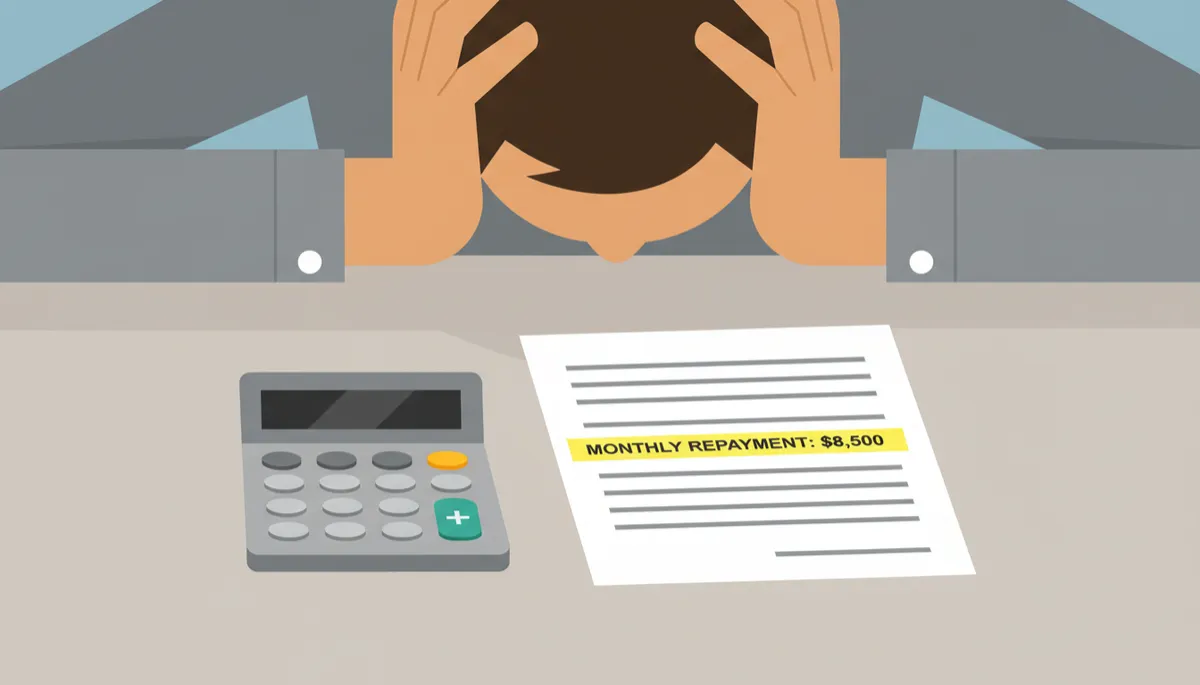
Mounting repayments often signal it is time to reassess your debt strategy.
Recognising the Human Impact of Debt Struggles
Running a business is demanding even in good times. Add in escalating debt struggles and the pressure of a Personal Guarantee, and it can feel overwhelming. Many directors describe constant anxiety, checking their bank balance multiple times a day, and feeling unable to switch off from money worries.
At Stop Your Debt UK, we see the emotional toll this takes: loss of confidence, fear of failure, and a sense of isolation. Our approach is built on compassion and clarity. We believe you deserve the time, information, and support to make calm, informed decisions about your future.
💡 Pro Tip: If you are regularly juggling bills to meet loan repayments, treat that as an early warning sign, not a personal failure. Seeking advice early usually creates more options and better outcomes.
What Are Your Options with a Personal Guarantee?
Even if your Personal Guarantee feels like a trap, you still have choices. Depending on your situation, it may be possible to:
Negotiate reduced monthly repayments or a longer term with the lender
Restructure multiple debts into a more manageable arrangement
Explore formal business or personal debt solutions that can limit liability
The right route depends on your company’s viability, your personal assets, and the exact wording of your Personal Guarantee. That is why tailored, professional advice is essential rather than generic online tips.
Take Back Control of Your Financial Future
If your Personal Guarantee loan has become unmanageable, you do not have to face it alone. Stop Your Debt UK specialises in helping business owners and agency directors understand their position clearly, reduce financial stress, and regain a sense of control over their debts.
We take the time to review your guarantees, loan repayments, and wider obligations, then outline realistic options in plain language. Our goal is to give you clarity, time, and genuine choice – so you can protect both your business and your personal life from the storm that debt creates.
If you are worried about rising repayments or the risk of enforcement on a Personal Guarantee, book a free consultation with Stop Your Debt UK today. A confidential, no-obligation conversation could be the first step towards easing your debt struggles and rebuilding your financial health with confidence.

Looking for an answer to a specific question?
Continue through the Knowledge Centre as we build a growing library of focused answers to common UK debt, court, creditor and director questions.
Start With the Question You're Trying to Answer.
Sometimes you don't need to understand the whole system. You need one clear answer.
These are the kinds of questions people commonly ask when dealing with creditors, court action, personal debt, personal guarantees and company financial difficulty.
What can debt collectors legally do in the UK?
Understand the difference between ordinary debt collection activity and formal enforcement powers.
What happens if I receive a CCJ?
Understand judgments, payment, registration, enforcement and the importance of the stage the case has reached.
Can a CCJ be set aside?
Explore what setting aside a judgment means and why the circumstances and procedural position matter.
Do I have to let a bailiff into my home?
Understand why enforcement powers, entry rules and the type of debt can affect what happens next.
Does resigning as a director cancel a personal guarantee?
Understand why leaving a company does not necessarily determine what happens to an existing guarantee.
What happens to a personal guarantee if the company becomes insolvent?
Explore the distinction between a company's liabilities and a director's potential personal exposure.
What happens when a company cannot pay its debts?
Understand the wider landscape of company financial difficulty and the formal processes that may become relevant.
What happens if a creditor petitions to wind up a company?
Understand the relationship between creditor action, winding-up proceedings and compulsory liquidation.
More questions. More detailed answers.
The Knowledge Centre is being expanded with focused resources covering the questions people search for when facing debt, creditor action, court proceedings and company financial difficulty.
Don't Just Read It. Understand What It Means.
A creditor or court letter can look more complicated than the underlying message.
LetterChekr™ helps turn correspondence into a structured, plain-English explanation, including the apparent priority or time sensitivity of the document and general information about what may be relevant next.
LetterChekr™ provides general information and document explanation. It is not legal advice or regulated debt advice. Where further professional support may be appropriate, this can be identified separately.
Get a clearer explanation of the correspondence in front of you.
Understand whether the document appears to contain deadlines or matters requiring closer attention.
Use the explanation as a clearer starting point for understanding the wider situation.
Understand the Situation. Then Decide What Comes Next.
The Knowledge Centre is here to help you make sense of the landscape. Your own circumstances determine what support may be appropriate.
If you have moved beyond general research and are dealing with creditor contact, court correspondence, personal debt, a personal guarantee or company financial difficulty, you can explore the wider support landscape or contact Stop Your Debt UK about your situation.
Choose the route that reflects where you are now.
Stop Your Debt UK provides permitted administrative support, document assistance and case coordination. Where regulated debt advice, legal advice, formal insolvency work or another specialist service is required, the appropriate work is carried out through suitably authorised or qualified professionals.
Better information creates clearer options. Understanding the position is the place to start.