Understand the Situation. Know What Comes Next.
Explore clear, detailed information about personal debt, court and creditor problems, personal guarantees, company financial difficulty and UK debt options. Built to help you understand the landscape before deciding what support may be required.
Better information creates clearer options. Start with the subject that matters to you.
Start With Your Situation.
You don't need to know the technical name for the problem before you start.
Choose the area that most closely reflects what is happening. From there, explore detailed guides, answers to common questions and information about the different stages a financial problem can reach.
Personal Debt
Understand common personal debt problems, the different options that may exist and what can happen when payments become difficult to maintain.
Court & Creditor Problems
Learn what creditor contact, court claims, County Court Judgments and enforcement can mean, and understand how matters may progress.
Business Debt & Directors
Explore information about company financial difficulty, creditor pressure, formal insolvency processes and the issues directors may need to understand.
Personal Guarantees
Understand how personal guarantees can affect directors, what may happen when a guarantee is called upon and why the wording and circumstances matter.
Explore the wider UK debt help landscape.
Our Debt Help & Options hub explains the different areas of debt support and the professional pathways that may become relevant depending on the situation.
Go Deeper With Our Free UK Guides.
Some subjects need more than a short answer.
Our in-depth guides bring together the key concepts, processes and questions surrounding some of the most important debt, court and director issues in one structured resource.
The Complete Guide to CCJs
Understand what a County Court Judgment is, how CCJs happen, paying within 30 days, setting aside a judgment, enforcement, bailiffs, charging orders and the wider implications of a CCJ.
The Complete Guide to Personal Guarantees
Explore how personal guarantees work, when they may be called upon, lender demands, director exposure, company insolvency and why the wording and circumstances surrounding a guarantee matter.
The Complete Guide to Business Debt & Insolvency
A director-focused guide to company financial difficulty, creditor pressure, CVAs, CVLs, administration, liquidation, director exposure and the different routes that may become relevant.
More specialist guides will be added to the Knowledge Centre.
Alongside our long-form guides, you can explore individual articles answering specific questions about debt, creditors, court action, directors and insolvency.
Find the Information That Matters to You.
Debt problems rarely exist in isolation.
A missed payment can become creditor contact. Creditor action can become a court claim. Company financial difficulty can create questions about insolvency, directors and personal guarantees. Explore the subjects below to understand how the different pieces fit together.
Personal Debt
Understand the wider debt landscape, the main formal and informal routes and what each process is designed to address.
Court & Creditor
Follow the journey from creditor pressure and correspondence through court proceedings, judgments and potential enforcement.
Business Debt & Insolvency
Explore company financial difficulty, formal insolvency processes and the issues directors may need to understand as pressure develops.
Personal Guarantees
Understand the relationship between company borrowing, personal exposure, lender demands and what can happen when a business cannot meet its obligations.
Continue into our latest articles and question-led resources.
The Knowledge Centre is continually expanding with focused articles addressing the questions people ask when dealing with debt, creditors, court action and company financial difficulty.
Answers to the Questions People Actually Ask.
Understand one question at a time.
Explore practical, plain-English articles covering debt, creditor action, court processes, personal guarantees and company financial difficulty. New resources are added as the Knowledge Centre continues to grow.
Latest from the Knowledge Centre
LATEST ARTICLES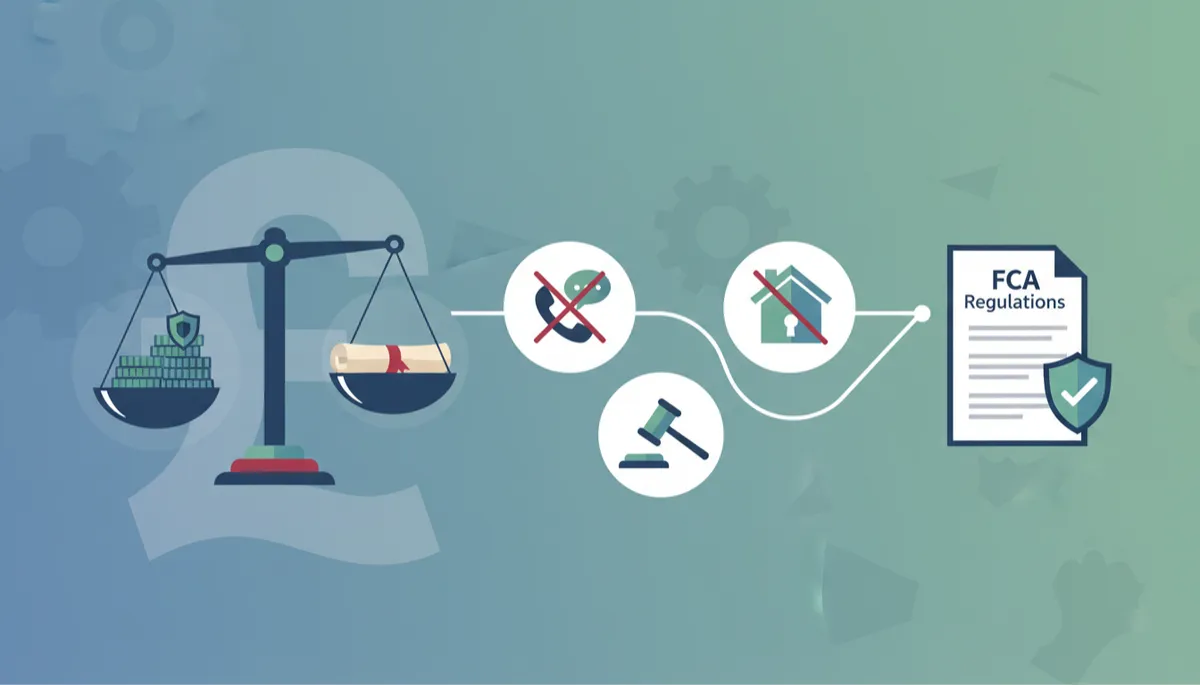
What Can Debt Collectors Legally Do in the UK? Your Rights Explained
Debt Help, UK Debt Collection, Legal Rights
What Can Debt Collectors Legally Do in the UK? (England & Wales Guide)
If you are behind on payments, letters, calls, and texts from debt collectors can quickly feel overwhelming. Understanding exactly what debt collectors can and cannot legally do in England and Wales is the first step to regaining control. This guide from Stop Your Debt UK explains your rights, the rules debt collectors must follow, and how to respond safely and confidently.
1. Who Are Debt Collectors – And How Are They Different from Bailiffs?
In England and Wales, it is vital to distinguish between debt collectors and enforcement agents (bailiffs). Many people use the terms interchangeably, but the legal powers are very different.
Debt collectors are usually private companies or in‑house teams acting on behalf of a creditor (such as a bank, credit card provider, or utility company). They do not have court-backed powers. They are mainly limited to contacting you to request payment or negotiate arrangements.
Enforcement agents or bailiffs act after a court judgment (for example, a County Court Judgment – CCJ) has been obtained and enforcement has been authorised. They may, in certain circumstances, visit your home and take control of goods, subject to strict rules.
If someone is threatening to “send the bailiffs” but there is no CCJ or formal court order, they are usually a debt collector, not an enforcement agent. This distinction is crucial for understanding their legal limits and your options.
2. Legal Powers and Restrictions of Debt Collectors in England & Wales
Debt collectors in England and Wales are heavily regulated. They must follow the rules set by the Financial Conduct Authority (FCA) and consumer protection laws. Their main legal powers are actually quite limited. They can:
Ask you to repay what you owe and discuss repayment options, including affordable instalments or settlements.
Send letters, emails, or call you to chase payment, provided they do so fairly and without harassment or misleading statements.
Register defaults or report information to credit reference agencies, in line with data protection and credit reporting rules.
Recommend court action to the creditor or issue a claim on their behalf, which could lead to a CCJ if you do not respond or defend it.
However, there are clear restrictions. Debt collectors cannot:
Enter your home without permission, seize goods, or act as if they are bailiffs when they are not legally authorised enforcement agents.
Harass, threaten, or intimidate you, including using aggressive language, repeated calls, or threats of action they cannot take (such as imprisonment for consumer debts).
Discuss your debt with family, neighbours, or your employer without your consent, except in very limited lawful situations.
Misrepresent their identity, falsely claim to be court officials, or imply legal powers they do not have.
📌 Key Takeaway: Debt collectors are mainly limited to asking you to pay and taking reasonable steps to recover money. They cannot force entry, remove goods, or send you to prison for unpaid consumer debts.
3. How Debt Collectors Can Contact and Visit You
Debt collectors are allowed to contact you, but they must do so in a way that is fair, proportionate, and respectful. Under FCA rules and consumer law, they should:
Contact Methods They Can Use
Letters and emails explaining what is owed, who the creditor is, and how to get in touch to discuss repayment or disputes.
Phone calls or text messages, at reasonable times of day, to discuss the debt and possible solutions.
Home visits, but only if they behave politely, show identification, and leave if you ask them to. A visit does not give them the right to enter your home or take goods.
Contact That May Be Unfair or Harassing
Contact becomes problematic when it crosses into harassment. Examples may include:
Calling you many times a day or at unsociable hours, such as very early in the morning or late at night, without good reason.
Ignoring your written request to change how they contact you (for example, asking for letters only if calls are causing distress).
Turning up unannounced repeatedly, refusing to leave when asked, or speaking loudly about your debt in front of others.
💡 Pro Tip: You can tell a debt collector how you prefer to be contacted. Put it in writing and keep a copy. If they ignore reasonable requests, you may have grounds to complain.
4. Debt Collectors vs. Enforcement Agents (Bailiffs): Key Differences
The difference between a debt collector and an enforcement agent (bailiff) largely comes down to court involvement and legal authority.
Feature | Debt Collector | Enforcement Agent / Bailiff |
|---|---|---|
Court judgment required? | No – they chase debts before or after court, but have no direct enforcement powers. | Yes – usually act after a CCJ or other court order is granted. |
Can enter your home? | No – they can only visit and speak to you at the door if you agree. | Sometimes – but there are strict rules, usually peaceful entry only and extra protection for vulnerable people. |
Can take goods? | No – they have no power to seize possessions. | Potentially – but only certain goods and under strict procedures. |
If you are unsure who you are dealing with, ask for their full name, company, and whether they are acting as a debt collector or enforcement agent. Genuine professionals should answer clearly and provide written confirmation.
Staying calm and informed when collectors contact you helps you stay in control.
5. Why FCA Regulations Matter – Your Protection in Practice
Most consumer credit debts – such as credit cards, personal loans, overdrafts, and some hire purchase agreements – are covered by the Financial Conduct Authority (FCA) rules. Any firm collecting these debts must be authorised or work on behalf of an authorised firm.
The FCA’s rules require firms to:
Treat customers fairly and show forbearance when people are in financial difficulty, such as considering affordable payment plans or temporary payment reductions.
Communicate in a way that is clear, not misleading, and proportionate to your situation, including explaining the consequences of non‑payment accurately.
Identify and support vulnerable customers, such as those with mental health conditions, serious illness, or major life events affecting their ability to manage money.
Understanding these protections helps you challenge unfair treatment. If a collector ignores your circumstances, pressures you into unaffordable payments, or misleads you, you can complain to the firm and, if necessary, escalate to the Financial Ombudsman Service.
6. The Typical Debt Collection Process: From Missed Payment to Court
Debt collection usually follows a series of stages. Knowing the process can reduce fear and help you act at the right time.
Missed payments – You fall behind on repayments. Your lender may send reminders, add interest or charges (if allowed by your agreement), and ask you to bring the account up to date or agree a plan.
Default notice – For regulated credit agreements, the lender may send a formal default notice under the Consumer Credit Act, giving you time (usually at least 14 days) to catch up before further action is taken.
Debt sold or passed to a collection agency – If the account remains unpaid, it may be transferred to a specialist debt collector. You should receive notice from both the original creditor and the new firm explaining who now owns or manages the debt.
Negotiation and repayment offers – At this stage, you can often agree payment plans, reduced settlements, or temporary arrangements. This is usually where support from a service like Stop Your Debt UK can make a big difference in securing realistic terms.
Court action (County Court Claim) – If no agreement is reached, the collector may start court proceedings. You will receive a Claim Form from the County Court. If you do not respond or defend it, a County Court Judgment (CCJ) can be issued against you.
Enforcement – If a CCJ is not paid as ordered, the creditor may apply for enforcement, such as bailiffs, an attachment of earnings order, or a charging order on property.
You have options and rights at every stage. The earlier you seek advice, the more choice and control you are likely to have over the outcome.
7. Debt Collection Tactics: What’s Allowed and What Crosses the Line
Many debt collectors behave professionally, but some use tactics that feel uncomfortable or frightening. It is important to know which tactics are legal but unwelcome, and which may be unlawful or against FCA rules.
Common (Legal) Tactics You May Experience
Regular reminder letters, texts, and calls about missed payments and the need to engage with them.
Offers of repayment plans, discounts for lump sum settlements, or short‑term arrangements if you provide income and expenditure details.
Tactics That May Be Illegal or Against FCA Rules
Threatening actions they cannot legally take, such as immediate bailiff visits without a court order, arrest, or imprisonment for consumer debt.
Pretending to be from the court, the police, or a government department when they are not.
Contacting you excessively, refusing to respect your preferred contact method, or speaking to your employer or family about the debt without permission.
Pressuring you to pay more than you can reasonably afford, or ignoring clear evidence of financial hardship or vulnerability.
📌 Key Takeaway: Firm reminders and negotiation are allowed. Harassment, deception, and pressure to make unaffordable payments are not. If you feel pushed beyond what is fair, seek advice and consider making a formal complaint.
8. Court Proceedings and CCJs: What Debt Collectors Can Do
If negotiations fail, a debt collector may recommend that the creditor issues a County Court Claim. This is often the most worrying stage for people in debt, but understanding the process can help you respond calmly and effectively.
You will receive official court papers, including a Claim Form, explaining who is claiming, how much is owed, and why. You normally have 14 days (or 28 days if you acknowledge service) to respond.
You can: admit the debt and propose a payment plan, defend the claim if you disagree with it, or part‑admit if you accept some but not all of the amount claimed.
If you do not respond, the creditor can ask the court for a default judgment (CCJ), which may affect your credit file for six years and open the door to enforcement action.
Debt collectors are allowed to start or manage court claims on behalf of creditors, but they must follow pre‑action protocols, give you clear information, and consider your responses. This is a key stage where support from a professional adviser can help you avoid mistakes that could make your situation worse.
9. The Role of Breathing Space (Debt Respite Scheme)
The Breathing Space scheme in England and Wales – also known as the Debt Respite Scheme – can provide temporary legal protection from most creditor and debt collector action while you get advice and put a longer‑term solution in place.
A standard Breathing Space usually lasts 60 days. During this time, most interest, fees, and charges on qualifying debts are frozen, and creditors must pause enforcement and collection activity.
There is also a mental health crisis Breathing Space which can last for the duration of crisis treatment plus 30 days, offering extended protection for people receiving mental health crisis care.
While you are in Breathing Space, debt collectors must stop most forms of contact and enforcement for the debts included. They cannot start new court action, instruct bailiffs, or continue to chase payment in the usual way. This breathing room can be invaluable for reviewing your options with a service like Stop Your Debt UK and making a clear, informed plan.
10. How to Respond to Debt Collection Letters Safely and Confidently
Ignoring letters rarely makes debts go away. However, you do not have to panic or agree to anything on the spot. A calm, structured response can protect your rights and give you time to find the right solution.
Step 1: Check the Details
Confirm who the letter is from, which debt they are referring to, and the amount claimed. Compare it with your own records if you have them.
Make sure the letter clearly states the original creditor and any reference numbers. If anything is unclear, you can write back asking for clarification or evidence.
Step 2: Decide Whether You Recognise and Accept the Debt
If you do not recognise the debt, or you think the amount is wrong, you can dispute it and ask the collector to prove it (for example, by providing a copy of the agreement and a statement of account).
If you do recognise the debt but cannot afford the requested payment, do not agree to an unrealistic plan. Instead, prepare a simple income and expenditure budget and offer what you can genuinely afford.
Step 3: Reply in Writing and Keep Copies
Write back by letter or email, confirming your position – whether you are disputing the debt, requesting more information, or making a repayment offer. Keep copies of everything you send and receive.
If you feel overwhelmed, you can ask a trusted adviser or organisation, such as Stop Your Debt UK, to help you draft a clear, assertive response.
💡 Pro Tip: Never send bank cards, passwords, or original documents. Debt collectors only need information relevant to understanding your situation and assessing a realistic plan.
11. Illustrative Example: When a Collector Oversteps – and How to Respond
Imagine Sarah, a self‑employed consultant, fell behind on a credit card and a personal guarantee loan after losing a major contract. A debt collection agency begins calling her several times a day, leaving voicemails saying they will “send the bailiffs round this week” if she does not pay in full. They also call her business line and leave vague messages with colleagues.
In this situation:
The agency is likely breaching FCA rules by harassing Sarah with frequent calls and by contacting colleagues in a way that risks revealing her debt.
Their threat to “send bailiffs this week” is misleading if there is no CCJ or enforcement order. They are debt collectors, not enforcement agents, and cannot simply send bailiffs without going through the court process.
With support from Stop Your Debt UK, Sarah writes a firm but polite complaint to the agency, demanding they stop harassing calls, only contact her in writing, and correct their misleading statements. At the same time, she enters Breathing Space, pausing further action while she explores options such as a structured repayment plan or insolvency solutions. By understanding the limits of the collector’s powers, she moves from fear to informed control.
12. Getting Personalised Help: You Don’t Have to Face Collectors Alone
Dealing with debt collectors, potential court claims, and the threat of enforcement can be exhausting – especially if you are juggling personal debts, business commitments, or personal guarantees. The law offers important protections, but using them effectively is easier with expert support on your side.
At Stop Your Debt UK, we combine compassion with clear, practical guidance. We help individuals and business owners:
Understand exactly what debt collectors and enforcement agents can legally do in their situation.
Use tools like Breathing Space to gain time and clarity, rather than making rushed decisions under pressure.
Explore tailored solutions – from affordable repayment plans to formal debt options – that rebuild long‑term financial health.
You are not defined by your debts, and you are not powerless in the face of collection activity. With the right information and support, you can protect your rights, reduce stress, and start moving towards a more stable future.
Take the Next Step: Talk to Someone on Your Side
If you are receiving calls or letters from debt collectors and feel unsure what they can legally do, reach out before things escalate. A short conversation can often prevent months of anxiety and help you see options you did not realise you had.
Book a free consultation with Stop Your Debt UK today for a personalised assessment of your situation. We will review your debts, explain your rights in plain English, and help you create a realistic plan so you can regain clarity, choice, and control over your financial life.

Looking for an answer to a specific question?
Continue through the Knowledge Centre as we build a growing library of focused answers to common UK debt, court, creditor and director questions.
Start With the Question You're Trying to Answer.
Sometimes you don't need to understand the whole system. You need one clear answer.
These are the kinds of questions people commonly ask when dealing with creditors, court action, personal debt, personal guarantees and company financial difficulty.
What can debt collectors legally do in the UK?
Understand the difference between ordinary debt collection activity and formal enforcement powers.
What happens if I receive a CCJ?
Understand judgments, payment, registration, enforcement and the importance of the stage the case has reached.
Can a CCJ be set aside?
Explore what setting aside a judgment means and why the circumstances and procedural position matter.
Do I have to let a bailiff into my home?
Understand why enforcement powers, entry rules and the type of debt can affect what happens next.
Does resigning as a director cancel a personal guarantee?
Understand why leaving a company does not necessarily determine what happens to an existing guarantee.
What happens to a personal guarantee if the company becomes insolvent?
Explore the distinction between a company's liabilities and a director's potential personal exposure.
What happens when a company cannot pay its debts?
Understand the wider landscape of company financial difficulty and the formal processes that may become relevant.
What happens if a creditor petitions to wind up a company?
Understand the relationship between creditor action, winding-up proceedings and compulsory liquidation.
More questions. More detailed answers.
The Knowledge Centre is being expanded with focused resources covering the questions people search for when facing debt, creditor action, court proceedings and company financial difficulty.
Don't Just Read It. Understand What It Means.
A creditor or court letter can look more complicated than the underlying message.
LetterChekr™ helps turn correspondence into a structured, plain-English explanation, including the apparent priority or time sensitivity of the document and general information about what may be relevant next.
LetterChekr™ provides general information and document explanation. It is not legal advice or regulated debt advice. Where further professional support may be appropriate, this can be identified separately.
Get a clearer explanation of the correspondence in front of you.
Understand whether the document appears to contain deadlines or matters requiring closer attention.
Use the explanation as a clearer starting point for understanding the wider situation.
Understand the Situation. Then Decide What Comes Next.
The Knowledge Centre is here to help you make sense of the landscape. Your own circumstances determine what support may be appropriate.
If you have moved beyond general research and are dealing with creditor contact, court correspondence, personal debt, a personal guarantee or company financial difficulty, you can explore the wider support landscape or contact Stop Your Debt UK about your situation.
Choose the route that reflects where you are now.
Stop Your Debt UK provides permitted administrative support, document assistance and case coordination. Where regulated debt advice, legal advice, formal insolvency work or another specialist service is required, the appropriate work is carried out through suitably authorised or qualified professionals.
Better information creates clearer options. Understanding the position is the place to start.