Understanding UK Statutory Demand Letters
Debt Help, Statutory Demand Letters, UK Insolvency
Statutory Demand Letters in the UK: What They Mean and How to Respond
Receiving a statutory demand letter can feel frightening, but understanding what it is, why you have received it, and what options you have within the 21-day deadline can make all the difference. With the right support, you can protect yourself and take back control before matters escalate to court, winding up, or bankruptcy proceedings.
What Is a Statutory Demand Letter?
A statutory demand letter is a formal written demand for payment of a debt. It is not issued by the court. Instead, it is prepared and served by the creditor or their representative, such as a solicitor or debt collection firm. The document is designed to show that a debt is due and unpaid, and that the creditor is serious about taking the matter further if it is not resolved promptly.
Typically, a statutory demand will clearly set out the outstanding balance that the creditor says you owe. It will usually include the total amount, and sometimes a breakdown of principal, interest, and any charges, so you can see exactly what is being claimed against you or your company.
A Step Towards Potential Court Proceedings
A statutory demand is more than just another letter chasing payment. It is a formal step towards potential court proceedings. In the UK, a creditor usually has to issue a valid statutory demand before they can apply to:
Wind up a company (force it into compulsory liquidation), or
Pursue bankruptcy proceedings against an individual.
In other words, the statutory demand is often the gateway to much more serious legal action. That is why it should never be ignored, even if you feel overwhelmed, confused, or believe the debt is unfair or incorrect.

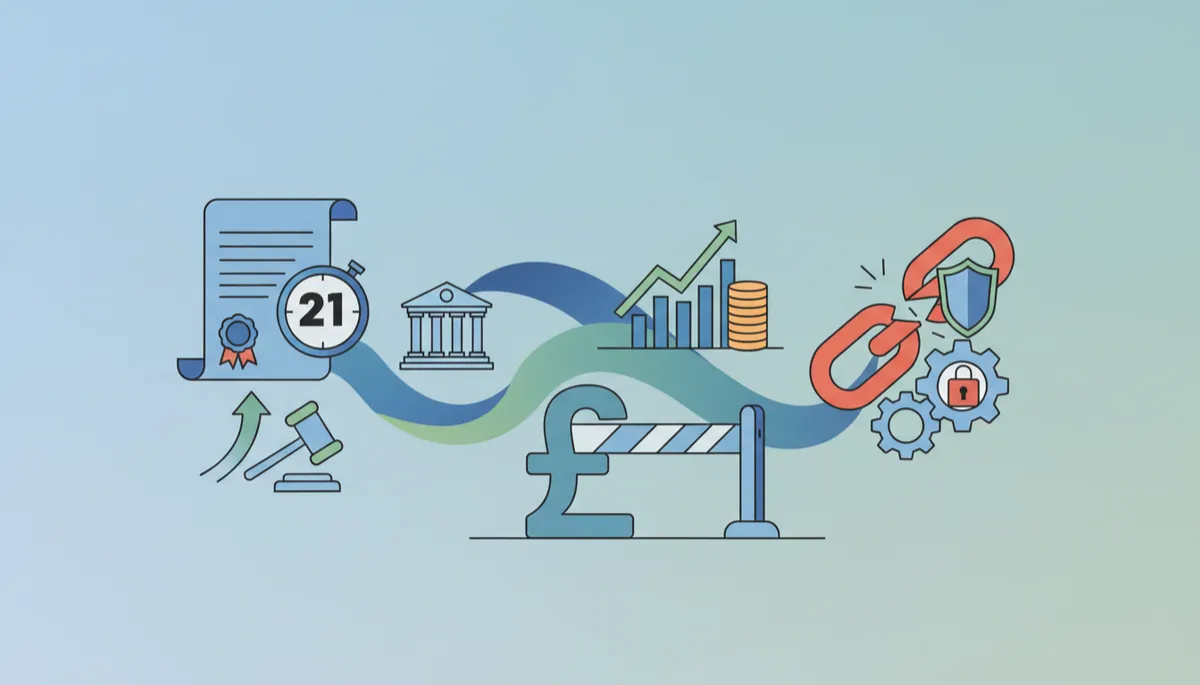
The 21-day statutory demand deadline is critical; missing it can trigger serious legal steps.
Your 21 Days to Respond: Time Really Matters
When you receive a statutory demand, you generally have 21 days to respond from the date it is served. This period is crucial. During these 21 days, you have the opportunity to:
Pay the debt in full, if that is realistic for you,
Negotiate a payment plan or settlement with the creditor, or
Formally dispute the demand if you believe it is wrong or unfair.
💡 Pro Tip: Do not wait until day 20. The sooner you seek advice after receiving a statutory demand, the more options you are likely to have and the calmer your decisions can be.
Your Right to Dispute and Defend Yourself
Many people feel powerless when they see a formal legal document, but you do have rights. Within the 21-day period, you have a clear chance to dispute and defend yourself if:
You do not owe the debt, or the amount claimed is incorrect,
The creditor has already been paid or partly paid,
There is a genuine dispute about the agreement or terms, or
The statutory demand itself has been completed or served incorrectly.
In some situations, you can apply to the court to set the statutory demand aside. This is a formal process, and it must be done correctly and within strict time limits. Getting expert guidance here is essential to protect your position and avoid unnecessary risk of winding up or bankruptcy action.
What Happens If You Do Not Respond?
Ignoring a statutory demand is one of the costliest mistakes you can make. If you do not respond within 21 days — by paying, agreeing a solution, or disputing it properly — the creditor can usually rely on that silence as evidence that the debt is not being dealt with. It then becomes very likely to be taken further.
For companies, this can mean the creditor issuing a winding-up petition, which could ultimately close the business. For individuals, it could lead to a bankruptcy petition, putting your personal assets, home, and future financial stability at risk. Acting early gives you the best chance to avoid these outcomes and explore more constructive debt solutions instead.
How Stop Your Debt UK Can Help from Start to Finish
At Stop Your Debt UK, we understand how stressful and isolating it can feel to receive a statutory demand, especially if you are already struggling with personal debts, personal guarantees, credit cards, county court judgments, or the threat of bankruptcy. Our approach is professional, clear, and deeply empathetic.
We can assist you from start to finish with the entire process, including:
Reviewing the statutory demand and explaining, in plain language, what it means for you or your business,
Assessing whether the debt or the amount is genuinely owed and whether there are grounds to dispute or set it aside,
Helping you communicate with the creditor to seek realistic, sustainable solutions that protect your long‑term financial health, and
Guiding you through alternative debt options so you can regain clarity, time, choice, and control.
Our goal is to protect you from further legal actions wherever possible and to shelter you from the storm that debt can create. You are not just a case number; you are a person or a business owner whose future still holds possibilities, even if things feel overwhelming right now.
Take the First Step Today
If you have received a statutory demand letter — or you are worried one might be on its way — you do not have to face it alone. There is a limited window to act, but within that time there are real opportunities to defend yourself, negotiate, and rebuild your financial stability with the right guidance.
Book a free consultation with Stop Your Debt UK today to get a personalised assessment of your situation. We will help you understand your options clearly, support you through each step, and work with you to regain control over your debts before they turn into a full legal crisis.
